
Views: 0 Author: Site Editor Publish Time: 2025-12-08 Origin: Site


Effective energy control starts with clear communication—and few tools support this better than custom lockout tags. In modern industrial facilities, where machines operate around the clock and multiple teams manage complex workflows, standardized warnings alone are no longer enough. Custom tags provide tailored instructions, hazard-specific details, and worker identification that help eliminate misunderstandings during maintenance. By matching your equipment, environment, and LOTO procedures, these tags become a reliable part of your safety system, reducing downtime while strengthening compliance and day-to-day operational discipline.
Custom lockout tags are durable identification tags used during LOTO procedures to warn employees not to energize equipment. Unlike basic tags that only show a generic warning, custom versions are designed to match your facility’s equipment, workflow, and regulatory requirements. They can show worker details, hazard types, step-by-step instructions, or digital links to maintenance documents.
These tags attach to lockout devices such as padlocks, valve lockouts, breaker lockouts, cable lockouts, and pneumatic blocks. They stay visible during servicing and deliver one simple message: Do not operate this equipment until the authorized person removes the lockout.
Many plants still use simple printed tags that wear out quickly or become unreadable. Custom tags avoid these problems. They use thicker materials, protective coatings, and stronger fasteners. They may include symbols to help non-English-speaking workers. They often follow a color code system that aligns with specific hazards. They also make accountability easier—workers know who applied the lockout, when it happened, and why the equipment is offline.
In operations where dozens of machines run simultaneously, these improvements help reduce confusion and keep energy control predictable.
Workplace safety begins long before a machine powers up. It starts through communication—simple, clear, and impossible to ignore. Custom lockout tags do exactly that. They warn people when equipment carries hazardous energy or when a system must stay off during maintenance. Many facilities rely on these tags as a central part of their Lockout Tagout (LOTO) programs. Without them, workers face serious risks from electrical, mechanical, pneumatic, hydraulic, and thermal energy sources.
Custom tags help reduce accidents by providing information that generic tags cannot. They use bright colors, specific names, equipment numbers, or instructions tailored to the environment. These details make them visible even in loud, crowded, or poorly lit spaces. When workers understand the lockout status instantly, they respond faster and safer. For safety managers, custom tags also simplify documentation, audits, and compliance. Over time, this leads to fewer mistakes, quicker maintenance cycles, and a stronger safety culture.
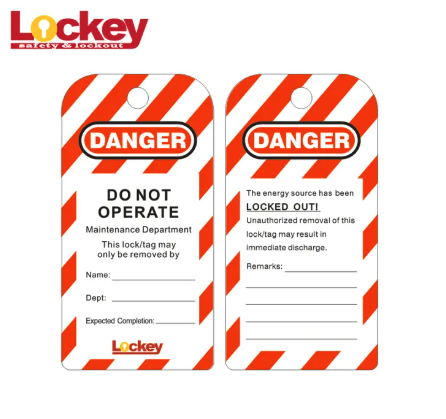
Custom tag design affects readability, durability, and usability. A well-designed tag remains clear after weeks or months of use, even in harsh industrial environments.
Choosing the right material ensures your tag stays readable and intact.
| Material Type | Durability Level | Best Use Case | Advantages |
|---|---|---|---|
| Laminated PVC | High | Indoors/outdoors | Resists moisture and abrasion |
| Polypropylene | Medium | Light duty areas | Lightweight and flexible |
| Vinyl | High | Damp or chemical areas | Excellent for oils and solvents |
| Polyester | Very High | Long-term exposure | Strong UV resistance and long lifespan |
A tag that breaks, fades, or tears loses its purpose. Using industrial-grade materials keeps your system reliable year-round.
Different machines require different tag sizes. Oversized tags work best outdoors or on large valves. Slim tags fit tight control panels or breaker boxes. The size should always match the environment so workers can read the warning quickly.
Color coding makes hazards easier to identify. Workers often recognize color faster than reading text.
| Color | Meaning | Ideal Use |
|---|---|---|
| Red | Danger | Immediate lockout |
| Yellow | Caution | Maintenance warning |
| Blue | Information | Notes or testing status |
| Green | Inspection | Completed or cleared status |
This simple visual system reduces confusion when many devices are locked out at once.
Effective lockout tagout tags rely on clear warning language. Strong signal words like DANGER, WARNING, or DO NOT OPERATE quickly alert anyone approaching the equipment. These words need to stand out even in loud or poorly lit areas, so designers often use bold fonts or bright contrast bars.
Workers should find the main message in seconds. Shorter phrases help them react fast, especially near moving machinery or energized circuits. For electrical lockout tags, wording often highlights electrical shock or arc-flash hazards, since these risks can escalate without warning.
Companies also include small but important details, such as:
Equipment or asset number
Specific hazard type (electrical, mechanical, pneumatic, hydraulic)
“Do Not Operate” or “Do Not Energize”
Worker or department name
Shift, date, or maintenance note
These elements improve clarity. They stop accidental restarts and give supervisors enough information to verify that the right equipment stays locked out.
Custom lockout tags work best when teams can instantly tell who applied the tag and why it’s there. Personalization adds accountability and reduces confusion during multi-shift maintenance tasks. It also supports compliance reviews, especially in facilities where dozens of lockout tagout tags may be used at the same time.
Many workplaces now add identification features to help create a clear trail of responsibility:
ID photos for quick visual confirmation
Worker signatures that verify authorization
QR codes linking to procedures, permits, or digital LOTO logs
Direct contact details like phone numbers or radio IDs
Project, asset, or work order numbers for tracking
These additions help supervisors verify isolation steps without hunting down information. They also allow digital systems to scan and record activity, which strengthens audits, training programs, and post-incident reporting.
No tag works if it falls off. Choosing the right attachment method matters for safety, durability, and compliance. Tags are often installed in harsh areas—hot, wet, dusty, or exposed to constant vibration—so the fastening system must survive real-world abuse.
Common attachment methods include:
Nylon cable ties for single-use, tamper-evident installation
Metal grommets that stop tearing near the tie-point
Snap hooks or carabiner-style clips for reusable setups
Heavy-duty zip ties for outdoor or long-term lockouts
Tamper-resistant fasteners for high-risk electrical panels
Electrical systems often need tougher attachment hardware because breakers, disconnect switches, and control panels vibrate when equipment cycles on and off. For this reason, many facilities choose reinforced ties when applying electrical lockout tags. The goal is simple: keep the tag visible, readable, and firmly attached until the authorized person removes it.
Start by walking through each production line, workshop area, or maintenance zone. Look closely at every machine and note the energy sources it uses—electrical, mechanical, pneumatic, hydraulic, chemical, or thermal. Understanding these details helps you design equipment lockout tags that actually fit the risks in your facility.
Take photos or short videos while you inspect. This small step helps teams judge tag size, placement, and visibility later. You also spot environmental challenges like steam, oil spray, high heat, or outdoor exposure. These factors influence durability, layout, and attachment methods for custom lockout tagout tags used on-site.
Once you know the environment, select tag materials that will survive it. Polypropylene, PVC, laminated cardstock, or rigid polyester work well in most factories. For harsher conditions—UV exposure, constant vibration, or corrosive chemicals—you may need heavy-duty laminated plastics or tear-resistant composites.
Layout matters too. Leave enough space for warnings, personalized worker details, barcodes, and hazard icons. Tags should be readable from several angles, even when equipment sits in tight spaces or dim lighting. Good equipment lockout tags often use bold colors and large fonts to prevent confusion at busy job sites.
Safety regulations require clear, durable messaging. OSHA specifies that lockout tags must remain legible and standardized across the facility. Use recognized signal words like DANGER or WARNING, along with consistent color bars and formatting.
Add your company’s name or identifier so inspectors can link each tag to your system. Include hazard-specific icons when possible. Whether you create simple tags or fully custom lockout tagout tags, consistency supports compliance audits and reduces errors during multi-shift lockouts.
A strong tag system includes personal accountability. Add fields for worker names, job titles, or ID photos, especially in large facilities where teams rotate frequently. This helps supervisors confirm who placed the tag without searching through paperwork.
Some companies add QR codes linking directly to digital lockout procedures, checklists, or isolation diagrams. Workers scan the code with a phone or tablet and instantly see updated instructions. This reduces outdated documents and improves accuracy during lockout operations where equipment lockout tags guide daily safety tasks.
Before rolling out your tag design across the facility, perform real-world testing. Attach sample tags to common lockout points—breaker panels, valves, disconnect switches, or control stations. Watch how they behave over a full shift.
Check visibility from multiple angles and distances. Make sure tags don’t fade, curl, or fall off under vibration or outdoor wind. Testing helps confirm whether your custom lockout tagout tags are strong enough for long-term use. If a tag fails during a test, adjust the material or attachment method before deploying it widely.
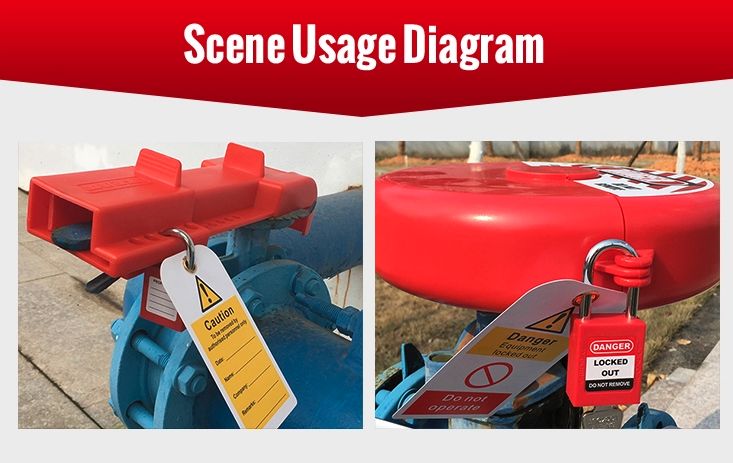
Place tags where workers naturally look while approaching equipment—along walkways, control panels, or primary access points. When a tag hides behind a valve, pipe, or guard, people may miss crucial warnings in fast-paced environments. Clear visibility helps workers immediately recognize an active lockout and prevents accidental restarts.
Make sure every tag and device aligns with your documented LOTO procedures. These procedures outline which isolation points to secure, which devices to use, and the correct sequence for shutting systems down. Any mismatch introduces confusion and increases the risk of accidental energization. Using standardized formats, such as lockout tagout tags with photo, also makes it easier to verify authorization during audits.
Training should happen whenever new equipment arrives, procedures change, or departments restructure. Hands-on practice helps workers understand how tags should be placed, what warning messages mean, and how to verify a lockout before working on machinery. Real examples—rather than slides or drawings—give people the confidence to act correctly during actual tasks.
Industrial environments expose tags to heat, UV, oil, vibration, and chemicals. These conditions wear down print and plastic over time. During safety rounds, check for cracks, fading, or stains that affect readability. Replace tags immediately if workers cannot clearly see the hazard, date, or authorized technician. High-quality electrical lockout tags usually last longer, but even durable materials require routine inspection.
A lockout tag warns workers that equipment is currently isolated for servicing or maintenance. It tells everyone not to energize, start, or move the machine until an authorized worker removes the tag and lock. The tag acts as a visual barrier that supports your LOTO program and prevents accidental restarts.
Most high-quality tags last several months to years, depending on material. Polyester and laminated PVC survive heat, oils, UV light, and vibration much longer than paper or thin vinyl. For electrical panels or high-vibration areas, many plants use electrical lockout tags made from reinforced plastics or tear-resistant composites.
Some can, some cannot. Tags attached with zip ties are typically single-use. Tags with snap hooks, metal grommets, or clip systems may be reused if the material stays intact and readable. Always check your facility’s safety policy before reusing any safety tag.
Yes. Clear messaging reduces confusion, especially in facilities with many similar machines. Workers know who applied the tag, which system is locked out, and why maintenance is happening. This improves communication between shifts and reduces time spent verifying equipment status.
A lock physically prevents movement, switching, or opening of the energy source. A tag provides important warning information but does not stop physical motion. In a full LOTO procedure, both are used together to control hazardous energy safely.
Custom lockout tags give facilities more than just warning labels—they create a structured, accountable, and highly visible safety communication system that supports every stage of equipment isolation. When tags are designed correctly, they reduce human error, accelerate maintenance handovers, and ensure that every worker understands the lockout status instantly.
For companies looking to upgrade their LOTO program with durable, compliant, and fully customizable tag solutions, Lockey Safety Products Co., Ltd. offers a complete range of lockout devices and professional customization services. With advanced materials, precision printing, and global safety expertise, Lockey helps you build a safer and more efficient workplace.


