
Views: 0 Author: Site Editor Publish Time: 2025-12-05 Origin: Site


A lockout station is one of the most important tools in any lockout tagout (LOTO) safety program—and many teams don’t realize how much it impacts daily operations. In this guide, we break down what a lockout station is, why it matters, and how it strengthens compliance, efficiency, and worker protection. Whether you’re upgrading your LOTO station setup or building a safer workflow from scratch, this article will help you understand why your facility truly needs one.
A lockout station—often called a lockout tagout station, LOTO station, or simply the lockout station meaning in safety programs—is a centralized, high-visibility hub where all essential lockout/tagout (LOTO) devices are stored and organized. It gives workers one reliable place to grab padlocks, tags, hasps, valve lockouts, breaker lockouts, and other isolation tools before starting any maintenance task.
Instead of scattering equipment across toolboxes or different rooms, a lockout station keeps everything in one secure location. This centralization boosts consistency, reduces mistakes, and cuts down the time workers spend searching for the right LOTO gear. It’s a simple idea, yet it forms the backbone of most energy-control programs.
LOTO procedures require workers to shut down machinery, isolate its energy, and lock it in a zero-energy state. A lockout station supports this by:
Keeping all lockout devices within quick reach
Making it easy for teams to follow the same steps every time
Showing missing or in-use items through shadow-board layouts
Helping authorized employees identify which tools belong to which equipment
Reducing the chance of accidental energization
Workers depend on this setup. It makes the entire process smoother and helps avoid skipping steps when time is tight.
Lockout stations help workers isolate many kinds of stored or active energy. Machinery can hold more than one type, so having the right tools close by matters.
| Energy Type | Example Hazards | Isolation Need |
|---|---|---|
| Electrical | Shock, arc flash | Breaker lockouts, plug lockouts |
| Mechanical | Moving parts | Hasps, padlocks |
| Hydraulic | Pressurized fluid | Valve lockouts |
| Pneumatic | Compressed air | Line and valve lockouts |
| Chemical | Toxic release | Pipe and valve isolation |
| Thermal | Heat buildup | Shutdown + tagout procedures |
| Gravity | Falling loads | Mechanical blocks + LOTO |
These forms of hazardous energy can cause severe injuries. A properly stocked lockout station ensures workers can isolate each source correctly and safely.
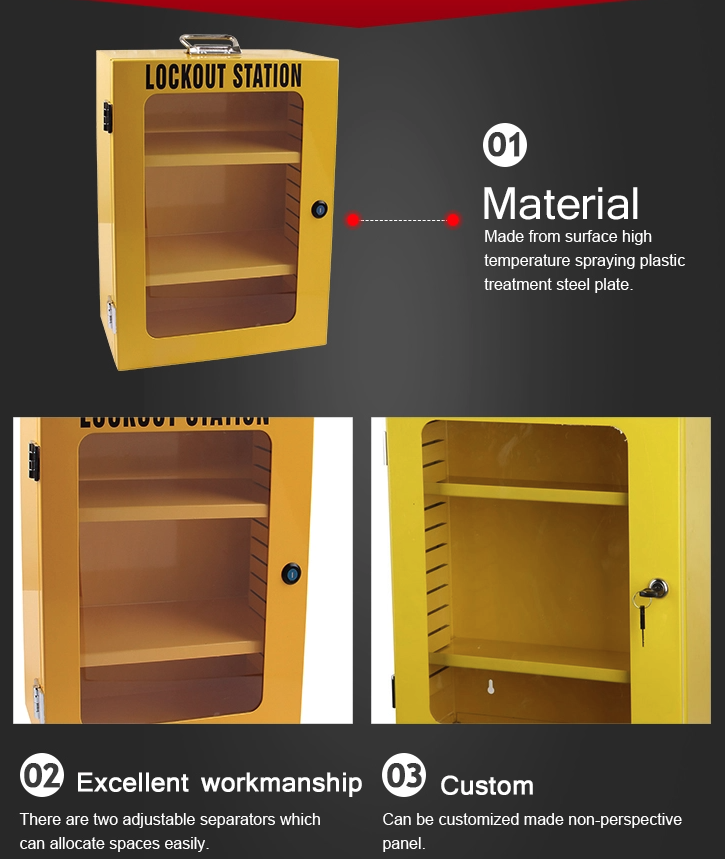
Lockout stations do more than store tools. They keep workers safe, reduce confusion, and help everyone follow the same lockout/tagout steps. A lockout station board pulls critical devices into one place, so teams avoid scrambling during an emergency or maintenance task.
Accidental re-energizing happens fast. One switch turned on too early can send electricity, steam, pressure, or motion back into a machine. Lockout stations help teams stop that chain reaction.
How lockout stations reduce risks during maintenance
They keep locks, tags, hasps close to the equipment.
They ensure workers isolate every energy source before touching a machine.
They make it harder for anyone to restore power by mistake.
Common accidents avoided by proper LOTO
Electrical shocks from energized circuits
Burns from hot fluids, steam, or chemicals
Crushing or amputation from unexpected machine movement
Flying debris from pressurized systems
A simple organized board helps teams see what devices are in use and what equipment stays locked out.
Misplaced lockout equipment slows down maintenance crews. Sometimes it even pushes workers to skip steps. Easy access solves both problems.
How accessibility improves compliance
Less searching → more consistent use
Workers grab the right device for the job
Teams stay focused on safe isolation, not hunting tools
Impact on maintenance response time
When everything sits on a single lockout station board, technicians respond faster. Machines get isolated sooner. Repairs begin without delay. This small improvement saves hours in large facilities.
Lockout stations act like a constant visual reminder. They tell everyone walking through the area: safety matters here, not just during audits but every single shift.
How they build a safety-first culture
Workers see lockout gear every day, so safe isolation becomes a habit, not an afterthought.
It encourages teams to follow procedures instead of taking shortcuts that can lead to injuries.
People feel more accountable for each other’s well-being, because everyone can see when equipment is locked out.
Supervisors can quickly notice missing devices, improving accountability and reinforcing good behavior.
New employees learn proper LOTO expectations faster because the station shows the process clearly.
A clean, organized lockout station board also sends a strong message from management. It shows the company invests in proper equipment, cares about worker protection, and expects consistent compliance. Over time, this visible commitment helps create a workplace where speaking up about safety feels normal and encouraged.
Machines can store dangerous energy long after they stop moving. A lockout station gives crews the tools they need to release, block, or secure that energy before they touch a single bolt. It turns a risky maintenance task into a controlled and predictable process.
Even simple tasks can become deadly if hazardous energy is not isolated. Lockout/tagout devices help workers stay clear of these risks.
Injuries commonly prevented by correct LOTO
Electrical shocks from exposed wiring or energized panels
Thermal burns caused by steam, hot fluids, or overheated equipment
Crushing hazards created by gravity, suspended loads, or stored mechanical pressure
Severe cuts from blades, conveyors, or rotating machinery
Chemical burns from pressurized lines or unisolated pumps
Unexpected movement of robotic arms or automated systems
When the right lock is applied, everyone knows the machine cannot start—no matter what button gets pressed.
Lockout stations safeguard more than people—they protect the machines that businesses rely on.
Ways lockout stations prevent equipment damage
Stops motors from restarting while technicians disassemble housings or guards
Keeps valves locked so pipelines stay drained and depressurized
Prevents gearboxes and belts from engaging mid-repair
Reduces the chance of overheating when cooling systems are under service
Prevents short circuits during electrical troubleshooting
Avoids damage to sensors, PLCs, and control systems due to sudden energization
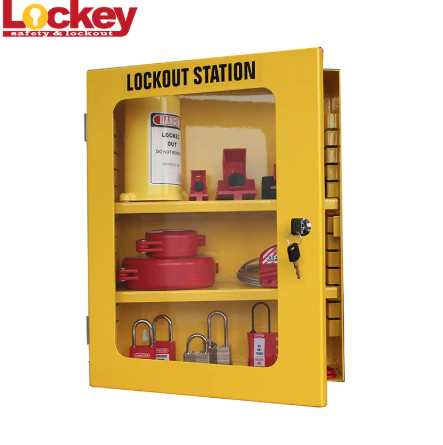
Improper shutdowns often create bigger failures later. A machine restarted at the wrong moment can overload circuits, crack seals, or damage moving parts. An organized lockout station helps teams avoid these issues by guiding them through a safe and consistent isolation process. When every tool is easy to find and every step is clear, maintenance becomes faster, safer, and far more predictable.
When workers isolate equipment properly, the whole system runs more reliably.
Long-term benefits of proper LOTO
Equipment lasts longer because components aren’t shocked by sudden restarts.
Fewer emergency repairs, since small issues get fixed before turning into major failures.
Maintenance teams work smoothly, without wasting time searching for misplaced devices.
Production downtime drops, because technicians can start the job immediately.
Troubleshooting improves, as equipment stays in a stable, de-energized state during inspection.
A well-stocked lockout tag out station creates an environment where maintenance feels controlled—not rushed or reactive.
Lockout devices force technicians to isolate every energy source the right way. This step protects delicate parts from stress that happens during unsafe shutdowns.
Components protected by proper isolation
Seals and gaskets, which can rupture under pressure
Bearings, which fail when motors spin unexpectedly
Electrical boards, vulnerable to voltage spikes
Hydraulic cylinders, damaged by trapped pressure
Belts and gears, stressed by sudden engagement
When crews follow the correct process, machines stay healthier, operations stay stable, and the risk of catastrophic failure drops dramatically.
Even well-equipped lockout stations can fail when teams use them incorrectly. Many facilities repeat the same avoidable errors, which weakens their entire LOTO program.
Some workplaces keep only a minimal number of padlocks, tags, and hasps on their lockout station board. When technicians run out of devices, they start sharing locks, delaying work, or skipping proper isolation steps. It creates a chain reaction of risks because the team can’t secure every energy point the way the procedure requires. A fully stocked lockout tag out station ensures every worker has what they need during maintenance, especially in large facilities or multi-shift operations.
Generic tags confuse everyone. They don’t show who applied the lock or why the equipment is offline. Without identifiers, workers must search for the responsible person or rely on guesses. This slows down maintenance and increases the chance of accidental energization. Proper tags include the worker’s name, time applied, and reason for isolation, making communication clearer and safer for everyone involved.
When padlocks come in random colors or inconsistent labels, teams waste time trying to figure out who owns which lock. It creates confusion during group lockouts and complicates shift handovers. A simple color-coding system—such as red for electricians or blue for maintenance—helps everyone recognize responsibilities quickly. Consistent labeling strengthens accountability and helps during audits and inspections because each lock’s ownership is clear.
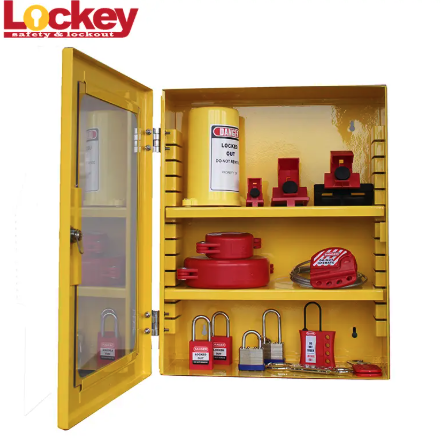
A lockout station is used to store and organize all lockout/tagout (LOTO) devices in one visible place, ensuring workers can quickly access the tools needed to safely isolate hazardous energy during maintenance.
A lockout station is important because it prevents accidental energization, improves compliance with LOTO procedures, reduces confusion, and helps protect workers from electrical, mechanical, hydraulic, and other energy hazards.
A lockout station typically stores padlocks, tags, lockout hasps, valve lockouts, breaker lockouts, plug lockouts, cable lockouts, and other energy-isolation tools.
A lockout station reduces downtime by keeping all isolation tools organized and ready to use, helping teams isolate equipment faster, prevent premature failures, and complete maintenance more efficiently.
A well-designed lockout station does more than keep tools organized—it keeps your team confident, consistent, and in control of every energy-isolation task. When the right devices stay visible and accessible, workers make safer choices and equipment runs with fewer surprises.
If you’re ready to upgrade your LOTO program,Lockey Safety Products Co., Ltd. offers reliable lockout stations and high-quality devices built for tough industrial environments. Explore safer options, strengthen your procedures, and give your crew the protection they deserve.


